Education
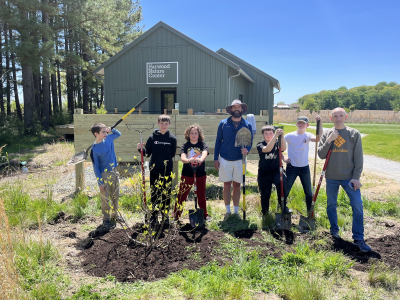
We help Maryland public school districts embed middle- and high-school field studies in science curricula, while selected elementary experiences build early skills.
Our Focus
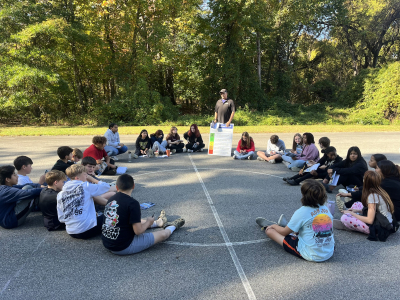
We work primarily with Maryland public school districts and nonprofit partners to make field investigation, teacher development, and student action a sustained part of science curricula. Our emphasis is on middle and high school, with selected elementary programs building a foundation for later learning.
Core commitments
Our focus is systemic environmental learning—not one-time field trips. We support public school districts as they connect field studies to classroom curricula, equip teachers to sustain the work, and create opportunities for students to turn scientific understanding into action.
We help Maryland public school districts embed middle- and high-school field studies in science curricula, while selected elementary experiences build early skills.
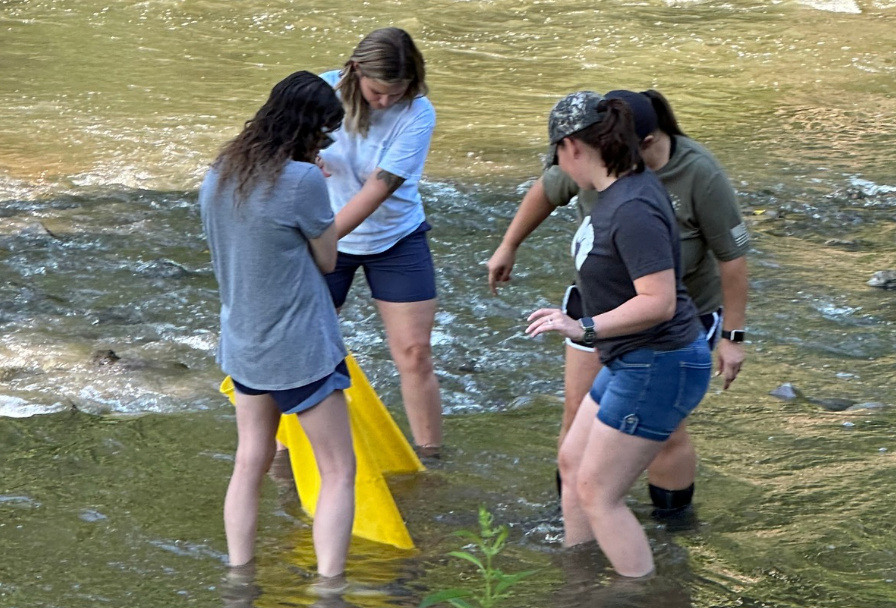
We foster a passion for the environment through classroom-connected field studies that help students build lasting relationships with local ecosystems.
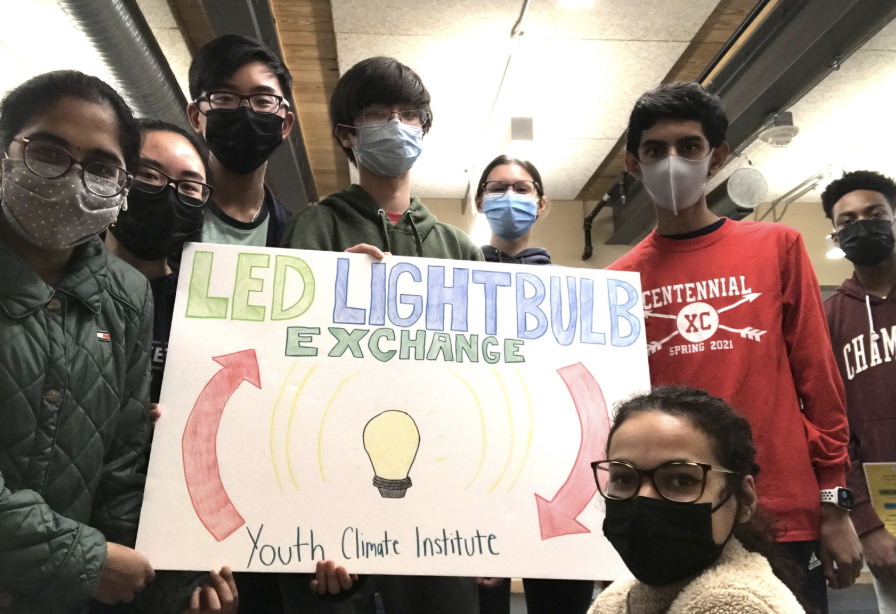
Students investigate local environmental issues, collect and analyze evidence, and design action projects, applying their learning with increasing independence.
A story built over time
Today’s work grows from a longer Foundation history, shaped by relationships that deepen, programs that develop and new possibilities for students.
The Foundation’s history includes support for social services, the arts and access to public lands—part of a broader commitment to people and communities.
VFF’s relationship with Sultana and Kent County began in 2012. Over time, the partnership’s watershed learning has come to include both fourth and seventh grades.
Working with the National Park Foundation, VFF supported Community Science 2.0 units that linked national park sites, educators, and middle- and high-school science classes. Field investigation, data analysis, and student action became part of a curriculum-connected model.
VFF’s predominant focus shifted to Maryland public school districts, working with nonprofit partners to make field studies part of school science curricula—not an occasional outing. The emphasis remained on middle and high school, with elementary programs providing early opportunities for investigation and stewardship.
The next chapter builds on what students discover today.
From field studies to future possibilitiesFrom field studies to future pathways
The next chapter
Our environmental education work increasingly connects to the Veverka Family Foundation’s Green Careers Toolkit. The Toolkit helps students explore the many roles that preserve or revitalize natural ecosystems—from applied science and restoration to policy, advocacy, clean energy, and sustainable food systems.
We see green careers broadly: both jobs in the green economy and existing jobs where people use green skills. The Toolkit extends the Foundation’s story from field studies and stewardship to future pathways and purpose.
Explore the Green Careers Toolkit ↗