01
Embed the learning.
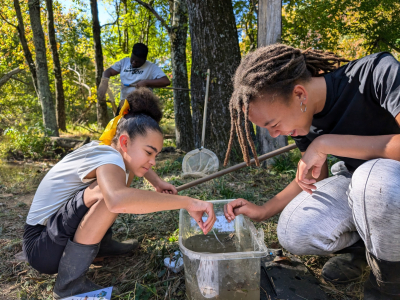
Field experiences connect directly to standards and classroom content, turning a one-day outing into a sustained learning sequence.
Veverka Family Foundation
From field studies to future pathways
We help public school districts and environmental education partners embed field science in the curriculum—giving students opportunities to investigate, question, and act while helping successful programs grow and last.
2017
The origin story
VFF’s partnership with the National Park Foundation launched a three-year model connecting national parks, local environmental education organizations, and middle and high schools. The idea was simple but powerful: make field science part of the curriculum, equip teachers to sustain it, and give students a real role in understanding and improving local ecosystems.
The idea that stayed
Community Science 2.0 established a pattern that still shapes VFF’s work: strong nonprofit expertise, district ownership, teacher professional development, classroom alignment, authentic field investigation, and student action.
Field experiences connect directly to standards and classroom content, turning a one-day outing into a sustained learning sequence.
Teachers and nonprofit educators develop the tools, confidence, and shared systems needed to keep programs going.
VFF invests in partnerships that demonstrate commitment and then helps successful programs reach more students, grades, or districts.
A growing Maryland network
These relationships grow over time. Each new partnership builds on what we learn together, helping environmental education reach more students and become a lasting part of school life.
An early systemic watershed partnership that would become a model for sustained district integration.
Since 2017The Community Science 2.0 model takes root locally through Rock Creek Park and Montgomery County science.
Since 2018Mussel-based watershed science connects classroom systems thinking with restoration in the field.
Since 2022The network grows westward through Washington County environmental literacy.
Since 2022Youth climate learning and leadership add another dimension to the network.
Since 2024Hands-on watershed learning extends into another district partnership.
Since 2025A proven nonprofit partner carries the model into a new school system.
Since 2025Oyster-focused MWEE work is sustained, strengthened, and expanded.
Since 2026The newest district partnership joins a network that continues to grow.
TodayEnvironmental literacy now connects to the question of where students can take these interests next.
“We want our funding to increase the impact and sustainability of the programs we support.”
MJ Veverka · Founder & President
Programs do not just spread. They deepen.
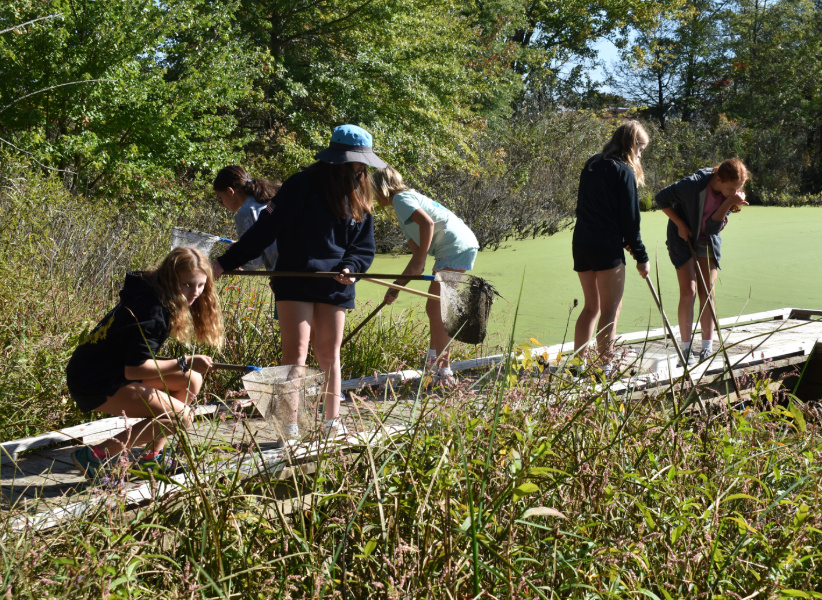
With Sultana Education Foundation, Kent County students investigate local waterways, collect and analyze field data, and design projects to care for their watershed. Watershed Watch in seventh grade and Changing Chesapeake in fourth grade connect classroom preparation with hands-on field studies and student-led action.
Explore Sultana’s watershed programsWith Nature Forward, Montgomery County students investigate local streams, test water quality, and explore the organisms that live in their watershed. Teacher development and support for data analysis help the original chemistry pilot grow into a biology program connecting classroom science with environmental action.
Explore Nature Forward’s field studiesWith Anacostia Watershed Society, students raise freshwater mussels, test water quality, and take part in restoring the Anacostia River. Teacher development and shared data collection help Mussel Power grow from a pilot into part of the district’s Biogeochemical Systems curriculum.
Explore Mussel Power